How to use this playbook

Health departments vary in their current capacity to assess and use data to improve CAMH. Therefore, this playbook has been developed to support all health departments in their CAMH work regardless of whether they are just beginning to develop a CAMH surveillance strategy or already in the process of using surveillance data to implement CAMH interventions. For example, a health department that is just beginning its CAMH work might want to start from the beginning of the playbook, whereas a health department that has already developed partnerships to enhance CAMH might benefit from reviewing the information about proposed indicators and data resources. As a result, users of this playbook are encouraged to jump in at whatever point makes sense for them.  

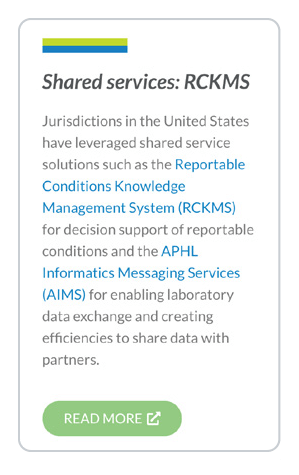
Callouts

Callouts are used to help bring clarity to strategies shared or indicators discussed inthe playbook, allowing users to see them in action. Note that some callouts provide links to additional information and external resources from partners and other organizations.

RCKMS

Tips

Quick tips for staff are highlighted throughout the playbook. These are useful tasks or ideas to consider. The tips appear when the mouse hovers over the icon.

User stories

Several stories have been included in the playbook to show how other organizations are using indicators–such as school readiness, school attendance and school disciplinary actions–to measure and improve CAMH. These stories are intended to serve as examples and spark ideas about how CAMH indicators can be used in a variety of settings. View stories.

References

References used throughout this playbook are indicated with numbers in superscript. The playbook provides a list of those references at the end to correspond with the numbers used throughout the text. Refer to this list for citation details.